Dermal fillers: risks, regulation and aftercare
Dermal fillers are a regulated health service in Australia. Vascular occlusion is an emergency, visual loss is a recognised risk, and dissolving agents should be discussed as a class — not as a brand — before anyone is treated.
James Okonkwo, Regulation correspondent · 8 April 2025 · 8 min read · Updated 12 March 2026
Dermal fillers occupy space under the skin. That is the whole of the mechanism, and it is why the serious complications are ischaemic rather than merely bruising. Product that enters an artery, or that compresses one, can starve the skin — and, in rare cases, the eye — of blood. Australian readers are often sold fillers as a lunchtime treatment. The Therapeutic Goods Administration still regulates the products as therapeutic goods. Ahpra still treats the injection as a regulated health service. The emergency does not become less of an emergency because the appointment was brief.
This explainer sits in the non-surgical hub. It should be read with when to seek urgent care after a cosmetic procedure and with anti-wrinkle injections: TGA and Ahpra rules. The two injectable classes are not interchangeable, and a single price list should not be allowed to pretend that they are.
A class of products, not a shopfront of names
Most fillers used in Australian cosmetic practice are gels based on hyaluronic acid. Other materials exist: longer-lasting or “biostimulatory” products, and older or non-standard substances that a reputable practitioner will not use. This journal does not name brands. Many of these products are prescription-only or otherwise restricted. Naming them in a consumer article functions as advertising. We describe classes, as our editorial standards require.
Hyaluronic-acid gels can, in trained hands, be broken down with an enzyme that degrades that material. We refer to those medicines as dissolving agents, as a class. We do not name a brand. The existence of a dissolving agent is not an argument that fillers are reversible in every sense. Tissue injury from an ischaemic event is not “dissolved”. Non-hyaluronic products may not respond to the same enzyme. A person who has been treated with an unknown substance in an unregulated setting may have nothing useful to reverse.
The TGA maintains the Australian Register of Therapeutic Goods. A practitioner offering a filler should be able to say that the product is included on that register for the relevant use, and should be able to say how it was supplied. Imported, compounded or “brought back in a suitcase” material sits outside that assurance. When things go wrong, the first question a hospital will ask is what was injected. “A filler” is not a sufficient answer.
Vascular occlusion is an emergency
Blood vessels of the face communicate. That is a sentence worth sitting with. Product injected at the nasolabial fold, the nose, the glabella, the temple or the lip can, if it enters an artery, travel. The skin downstream then loses perfusion. The person may feel disproportionate pain. The skin may blanch, then take on a mottled or net-like pattern (livedo), then become dusky or grey. Capillary refill slows. These are not the features of an ordinary bruise.
A bruise is common. It is localised, it follows trauma, and the skin remains warm and perfused. An occlusion is a threat to the tissue. Delay makes the threat worse. Practitioners who offer fillers are expected to recognise the difference, to have a protocol, and to act the same day — usually the same hour. That protocol typically includes stopping further injection, assessing perfusion, and using a dissolving agent when the filler is of a type that will respond. It may include other measures a treating doctor judges necessary. This article will not publish a cookbook. The point for a reader is simpler: this is not a “wait and see” problem.
If you have left the clinic and then notice worsening pain, blanching, mottling or a cold, pale or dusky patch in the treated area or in a nearby territory, you need urgent medical review. Contact the treating practice immediately. If you cannot reach them, go to an emergency department and say that you have had dermal filler and you are concerned about a vascular occlusion. Call 000 if you cannot get there safely.
Visual loss
The most feared complication is loss of vision. It is rare. It is real. The mechanism is embolisation of product into arteries that supply the eye, or related vascular events. Sites of particular concern in the literature include the glabella, the nose and the periocular region, but anatomy varies and no site is magically safe.
A change in vision during injection — sudden darkness, field loss, pain in the eye or orbit — is an emergency on the scale of a stroke to the eye. Minutes matter. A practice that injects these sites must have thought about this before the first patient of the day: who is in the building, what medicines are on the trolley, which ophthalmology or emergency service they will call, and how they will get the person there. A reader can ask those questions in a consultation. A shrug is an answer.
After you have left, any new visual symptom should be treated as urgent. Do not go to sleep on it. Do not accept “it might be swelling” from anyone who has not examined you. Call 000 if you cannot obtain immediate care.
This publication will not claim that a particular technique, cannula or “safety protocol” eliminates the risk. Those claims are common in marketing. They are not something we can ethically repeat.
Who to call, and in what order
Three numbers matter after a cosmetic injectable, and they are not interchangeable.
000 is for emergencies: visual change, severe and escalating pain with colour change in the skin, features of anaphylaxis (difficulty breathing, facial swelling that is not the expected local puffiness, faintness), or any situation in which you cannot get to care. Ambulance officers would rather attend a false alarm than a lost eye.
The treating practitioner or their on-call arrangement is for the complication they are trained to reverse. A dissolving agent is most useful in the hands of someone who knows what was injected, where, and how much. Ask, before you are treated, how after-hours contact works and who holds the keys to the emergency kit. A practice that cannot answer is not ready to inject arteries-adjacent tissue.
Healthdirect, 1800 022 222, is the national nurse triage line. It is useful when you are unwell or worried and you are not sure whether the problem is an emergency. It is not a substitute for 000 when vision or airway is at stake, and it cannot dissolve a filler.
Our urgent-care article sets this triage out for surgery as well as for injectables. Keep the practice’s after-hours number in your phone before you leave the building.
Dissolving agents as a class
Hyaluronidase — the enzyme class that degrades hyaluronic acid — is itself a medicine. It is prescribed and administered by registered practitioners. It can be used when a hyaluronic-acid filler has been overfilled, has migrated, or, more urgently, when a vascular event is suspected. It can cause allergy, including serious allergy, which is one reason it is not a casual corrective. It does nothing useful for some non-hyaluronic materials.
Marketing that says a filler is “fully reversible” skips those qualifications. An enzyme can remove gel. It cannot restore necrotic skin, and it cannot restore a retina. Availability on site matters. So does the training to use it under stress. Ask whether the clinic holds the medicine, who is authorised to give it, and what happens if the only person who knows the protocol has left for the day.
Do not attempt to obtain or inject a dissolving agent yourself. Do not accept an offer to “melt” filler in a non-clinical setting. The same scheduling and hygiene rules apply as to the original treatment.
Hygiene, setting and the unglamorous questions
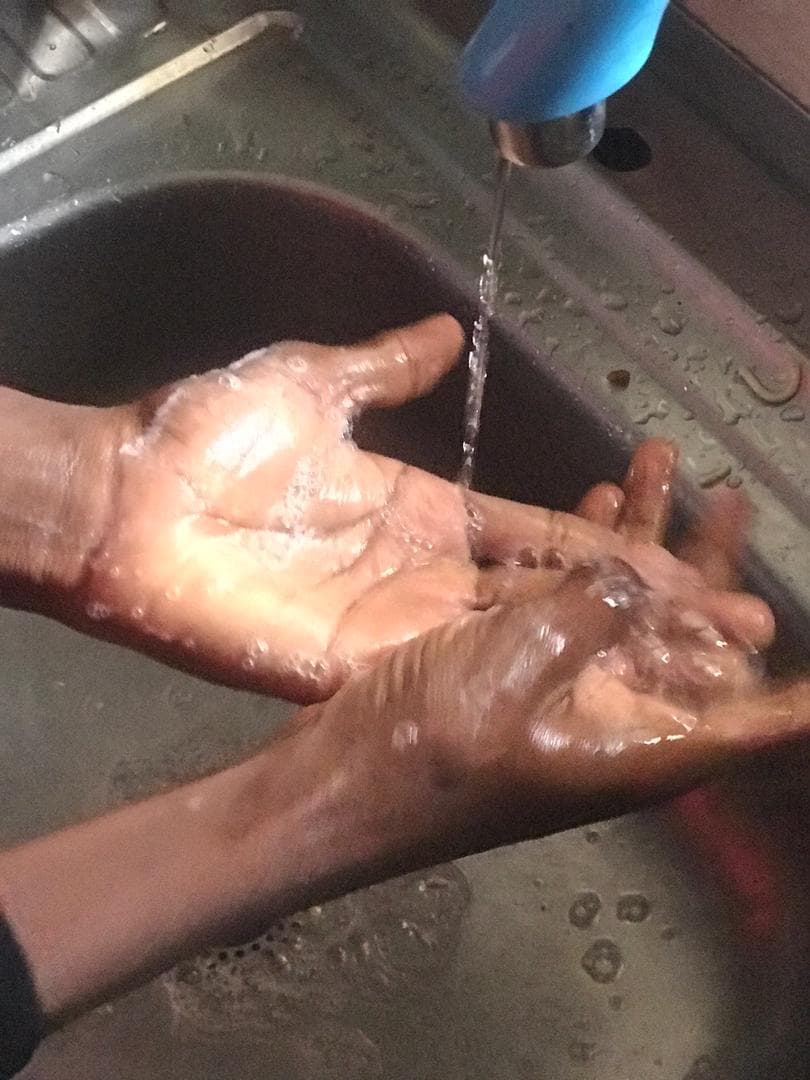
Infection after filler is less common than bruising and less dramatic, in the public imagination, than occlusion. It still happens. Biofilm infections can be delayed and difficult. The prevention is ordinary and non-negotiable: intact, clean skin; no injection through active infection or through the lip of a person with untreated cold sores without a plan; single-use needles and syringes; a room that can be cleaned; hand hygiene that looks like hand hygiene; and a product whose sterile packaging is opened in front of you.
A kitchen, a hotel suite or a party is not a treatment room. Alcohol gel and a portable lamp do not convert them into one. If a complication occurs in that setting, the person who needs to dissolve product or treat infection may not know what was used, and the product may not be a registered one.
Ask where complications are managed. Ask whether the practitioner has admitting rights or a documented pathway to an emergency department that will take the problem seriously. Ask how photographs and records are kept. These questions are not rude. They are how a regulated health service is supposed to be chosen.
Aftercare without choreography
Swelling, tenderness and bruising are common in the first days. Sleeping with the head a little elevated, avoiding makeup over puncture sites until advised, and staying away from saunas, dental work or facial massage for the period the practitioner names are typical instructions. They are not a ritual that guarantees a smooth course.
Contact the practice if swelling is rapidly worsening, if pain is increasing rather than settling, if you see blanching or mottling, if you develop a fever, or if you have visual symptoms. Do not start antibiotics from a leftover packet. Do not massage an area that hurts in a way that is new and severe — massage is sometimes used in aftercare and is contraindicated in others.
Fillers last for a range of months, not for a promised season. Duration varies by product class, site, metabolism and luck. Top-ups are a new treatment, with a new consent. They are not an entitlement.
Ahpra’s advertising rules apply here as they do to anti-wrinkle injections: no testimonials, no images used to promise a look, no “best lips in Sydney”, no named prescription product in a public promotion. A feed that breaks those rules is telling you something about the practice’s relationship with regulation. It is not evidence of skill.
Dermal fillers can be discussed calmly. They should never be discussed as if the face does not contain arteries. The emergency kit, the dissolving agent, the after-hours number and the honesty of the consent are part of the treatment. If they are missing, the appointment is incomplete.
Questions readers ask
- What is a vascular occlusion after dermal filler?
- It is a blockage of blood flow, usually when product enters or compresses an artery. Skin that blanches, livedo (a mottled or net-like pattern), pain out of proportion to the injection, or a dusky colour change are reasons to seek urgent medical review. It is treated as an emergency, not as a bruise that can wait until Monday.
- Can filler cause blindness?
- Visual loss is a rare, recognised complication, particularly with injections in and around the nose, glabella and periocular area. If vision changes during or after treatment, this is an emergency. Do not wait to see whether it settles. The treating practice should have a written plan for immediate referral.
- What is a dissolving agent?
- For hyaluronic-acid fillers, practitioners may use an enzyme that breaks that filler down. It is a prescription-only medicine discussed here as a class, not as a brand. It is not a home remedy, not appropriate for every filler material, and not a reason to treat vascular events lightly. Ask, before treatment, whether it is available on site and who is trained to use it.
- Who should I call if something feels wrong after fillers?
- If you have features of an emergency — visual change, severe pain, skin going white or dusky, difficulty breathing — call 000. Contact the treating practitioner or their on-call arrangement as soon as you can. For urgent advice when you are unsure, Healthdirect is 1800 022 222. See also our guide on when to seek urgent care after a cosmetic procedure.
- Are dermal fillers the same as anti-wrinkle injections?
- No. They are different classes of prescription treatment with different mechanisms and different emergencies. Anti-wrinkle injections weaken muscle. Fillers occupy space. A consent process that treats them as one “injectable” appointment is incomplete. Read our anti-wrinkle explainer alongside this one.
More in this hub
Laser and energy-based devices in cosmetic clinics
Lasers, intense pulsed light and other energy devices used in Australian cosmetic clinics sit under TGA device rules. Skin of colour, eye protection and the fact that energy is not a substitute for surgery all belong in the consultation.
Tom Hale · 22 April 2025
Anti-wrinkle injections: TGA and Ahpra rules
In Australia, anti-wrinkle injections are prescription-only medicines. Advertising law explains why clinics cannot name the drug, who may prescribe and administer it, and why consent still has to name risks such as eyelid ptosis.
James Okonkwo · 25 March 2025